
What is the Montessori Method?
For more than a century, the child-centered educational approach developed by Dr. Maria Montessori — Italy’s first female physician — has been transforming schools around the world.
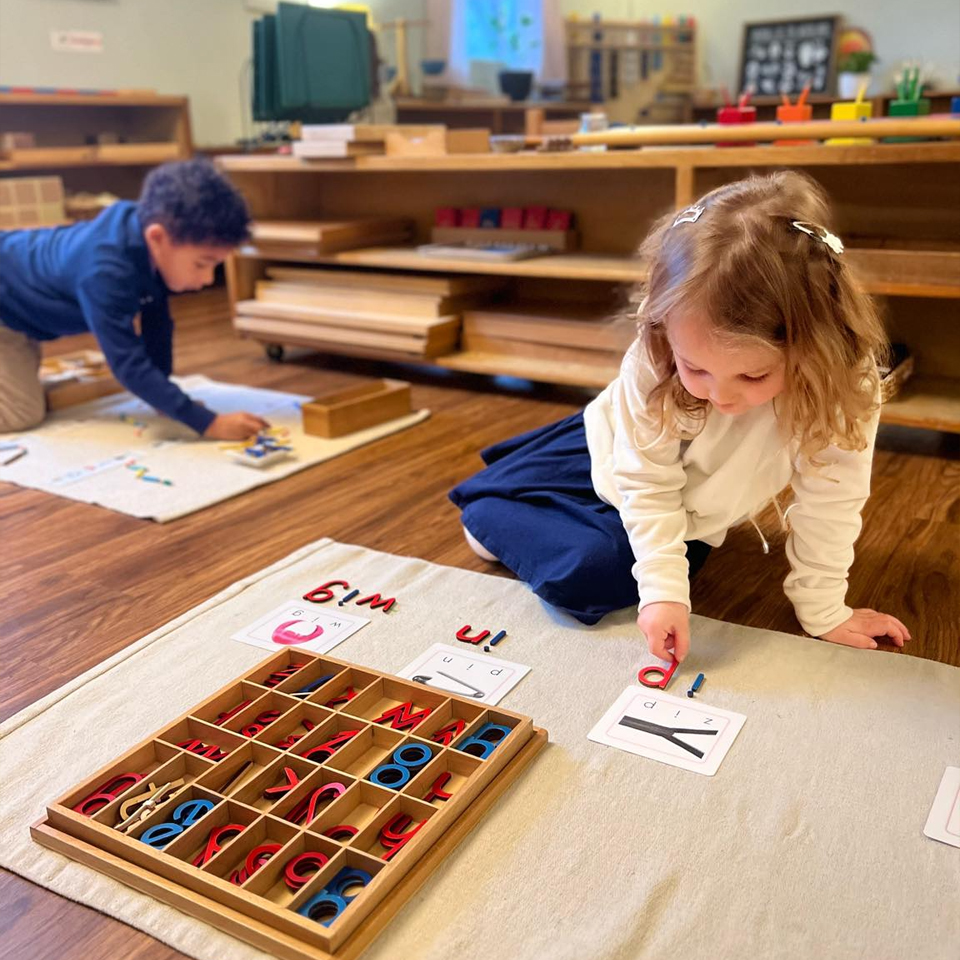
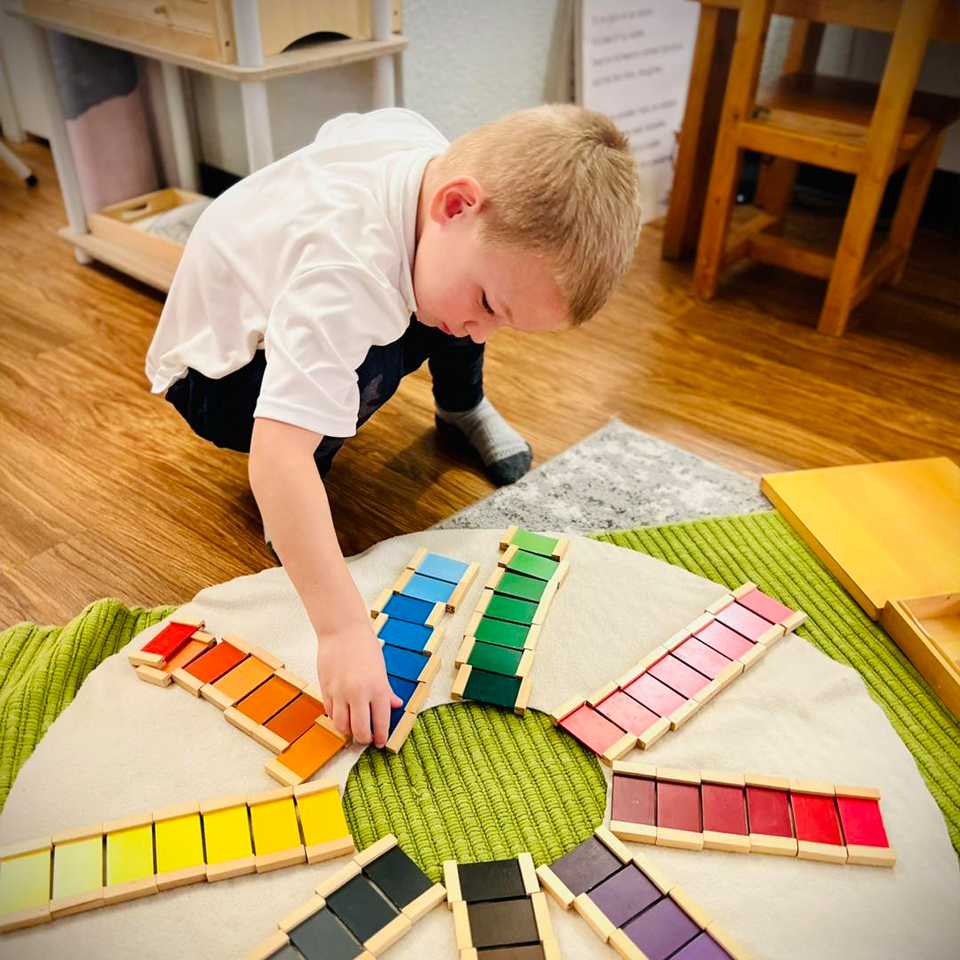
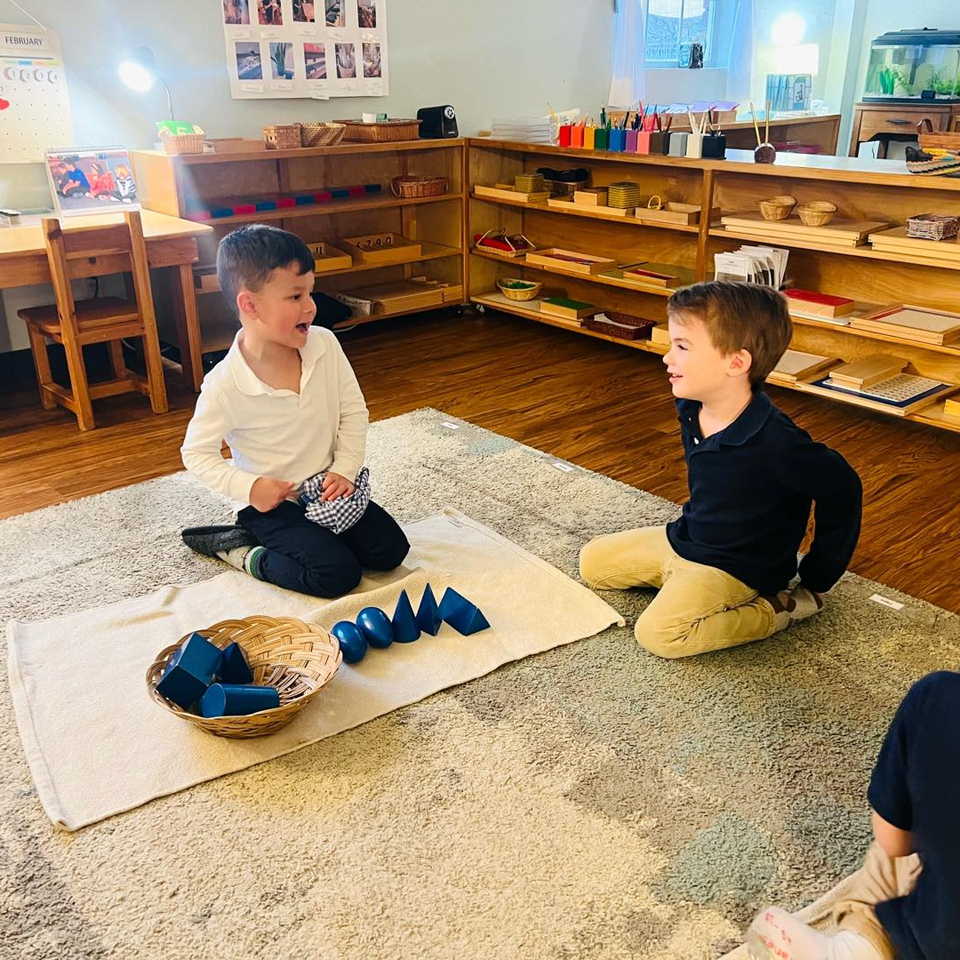
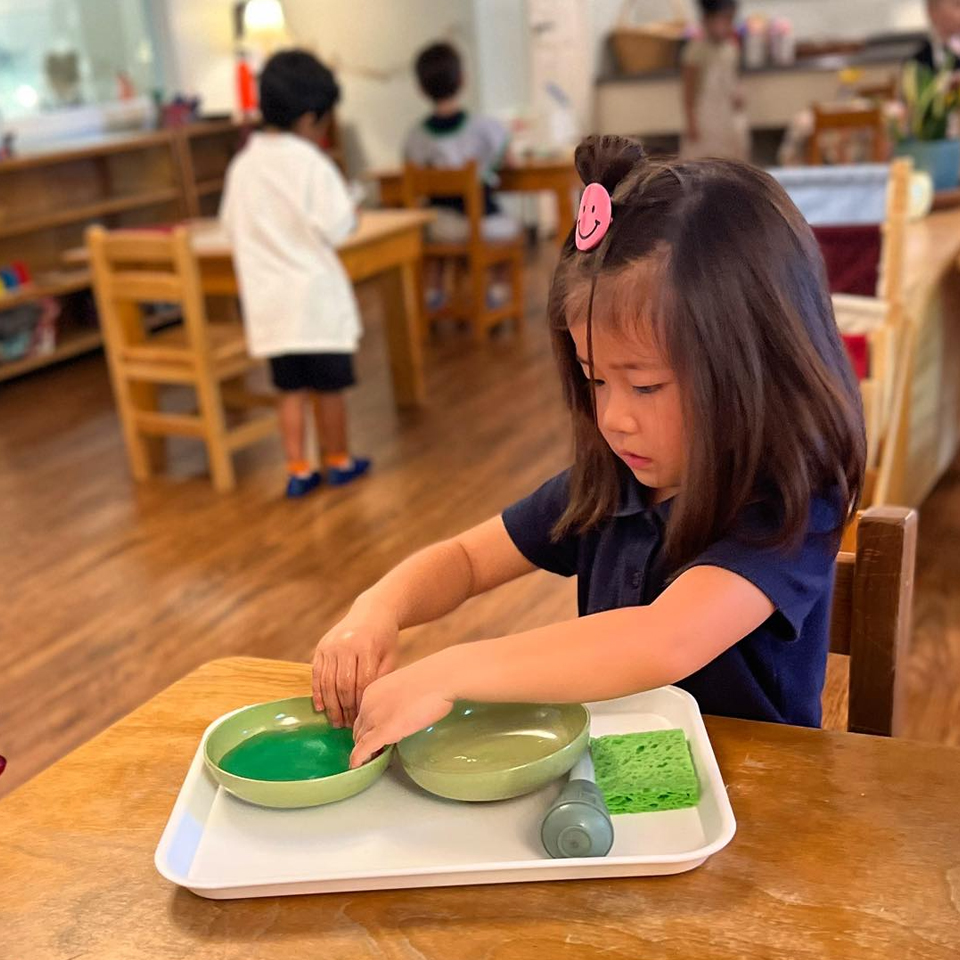
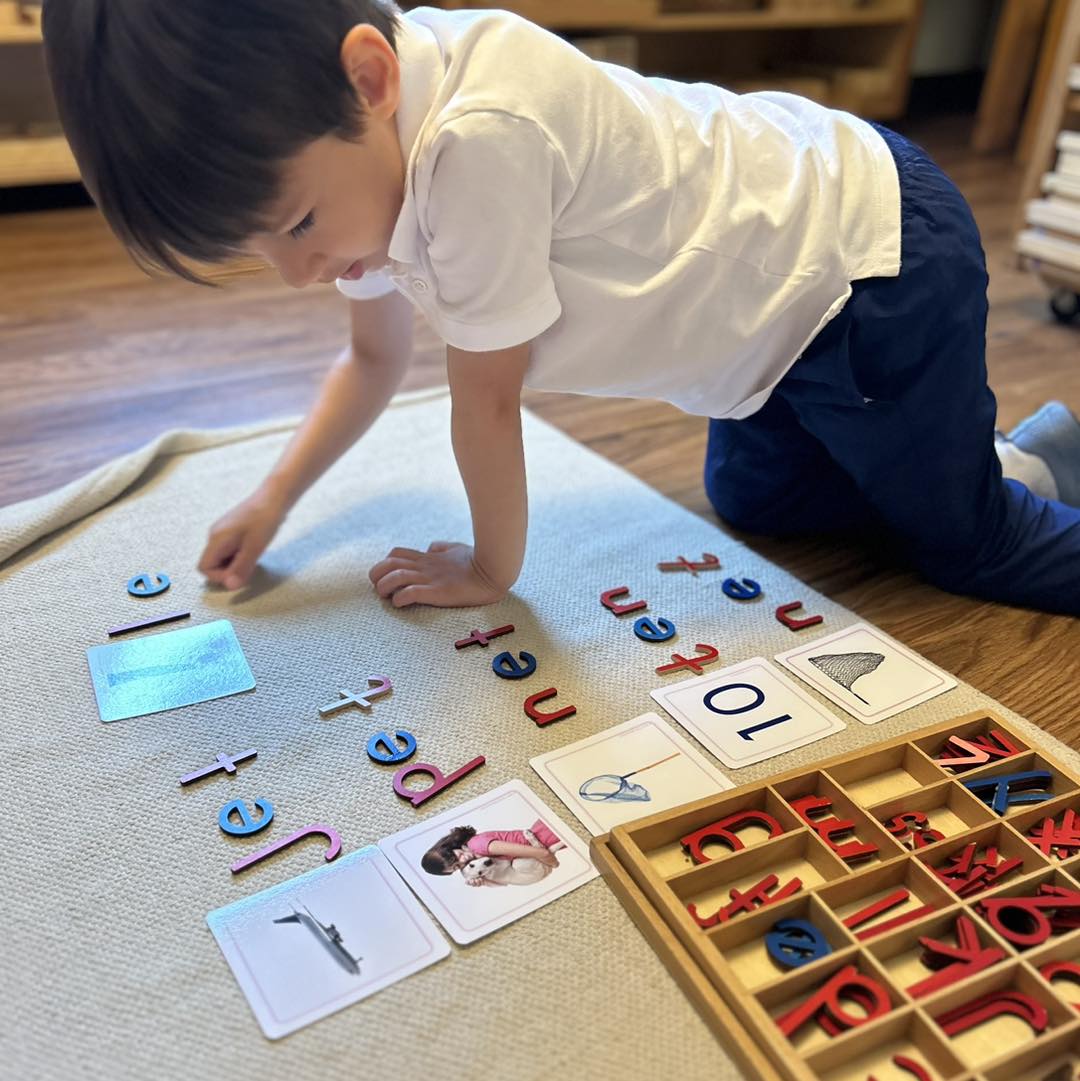
Upon entering the classroom, you’ll notice everything is designed with the child in mind – from the furniture to the fixtures to the artwork hung at their level. Montessori classrooms are immediately recognizable. You will see children working independently and in groups, with specifically designed learning materials that are intentionally placed throughout the room. Children will be deeply engaged in their work and respectful of themselves, others and their surroundings.
The Montessori Method fosters rigorous, self-motivated growth for children in all areas of their development—cognitive, emotional, social, spiritual and physical.
At Lake Hills Montessori we focus on children that are 18 months - 5 years old. At this time, children display an inherent tendency towards discovery, cooperation, kindness and peace. It is our challenge to promote all of these characteristics to extend them for a lifetime.
Teachers are equipped to engage each child to fully reach their unique style of learning. Cleanliness and organization are our top priorities. Our classrooms are intentionally prepared to provide the opportunity for success, growth and independence.
Current brain research suggests that classrooms that are stimulating and relaxed; intriguing and safe for exploration facilitate learning in children. Through manipulatives and tools for independence, children learn by doing. Through movement and touch, children explore, experience, and build storehouses of impressions about the physical world around them and move these learning experiences into abstract concepts.
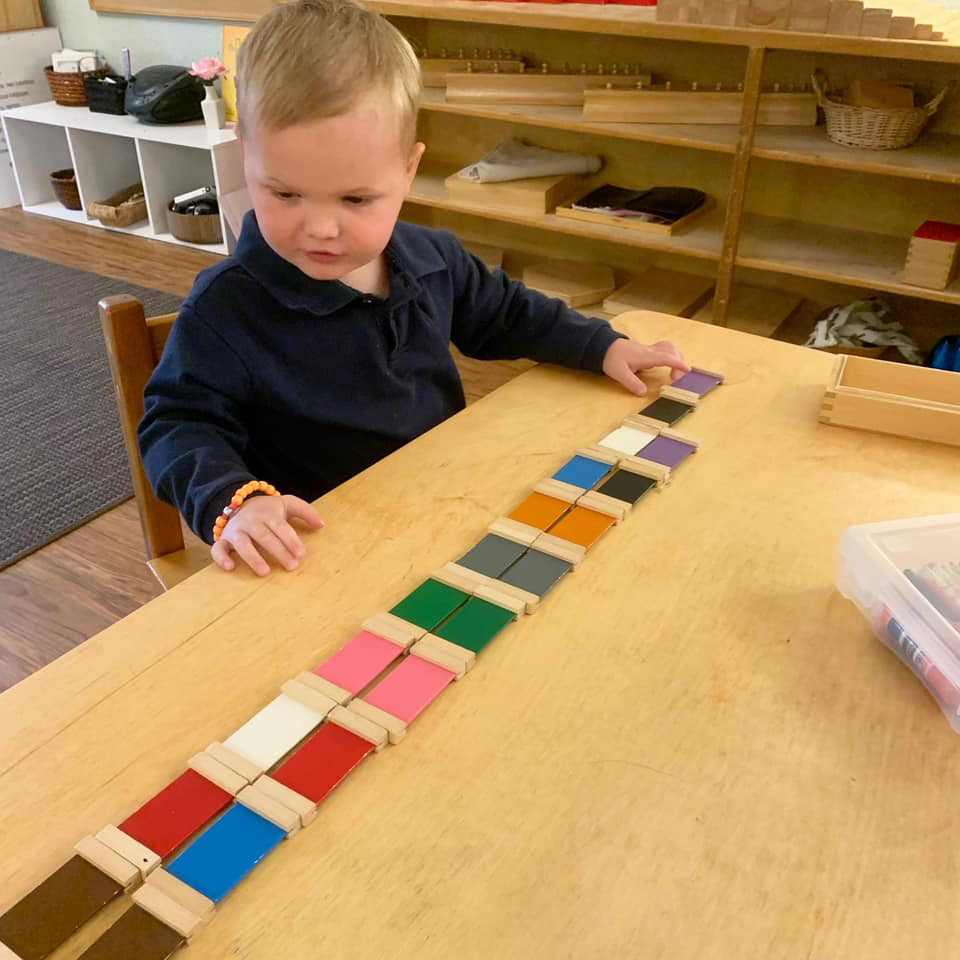
Many exercises, especially at the early childhood level, are designed to draw a student’s attention to a specific sensory property of an object within their environment: size, shape, color, texture, weight, smell, sound, etc. Children begin to observe and appreciate their environment, which is key in helping them learn and become independent, successful and confident.
Our goal is to help children fall in love with the process of focusing their complete attention on something and mastering its challenge with enthusiasm. The environment of the Montessori class is a learning laboratory in which children are allowed to explore and experiment.
5 Levels of Development
PHYSICAL
Potential learning problems can first be spotted in a young child’s ability to control movements.
EMOTIONAL
Young children need patience and guidance to learn to control and express their feelings.
INTELLECTUAL
Young children are collectors of knowledge (they absorb it from their environment).
MENTAL
To know, to experience, to use all known information for experiments and problem-solving.
SPIRITUAL
Develops strength of character, revelation of true personality, and desire to be of service to others.
The Montessori 3 Year Cycle
The Montessori 3-year cycle is a pedagogical principle where children stay in the same multi-age classroom with the same teachers for three consecutive years, allowing for a consistent, family-like learning community. This structure promotes social, emotional, and academic growth by enabling younger children to learn from their older peers, second-year children to experiment and grow, and third-year children to take on leadership roles and master concepts through teaching others. This cycle fosters a deeper sense of belonging and allows for individualized learning at a child's own pace, building a strong, sequential foundation for future learning.
Key Aspects of the 3-Year Cycle
-
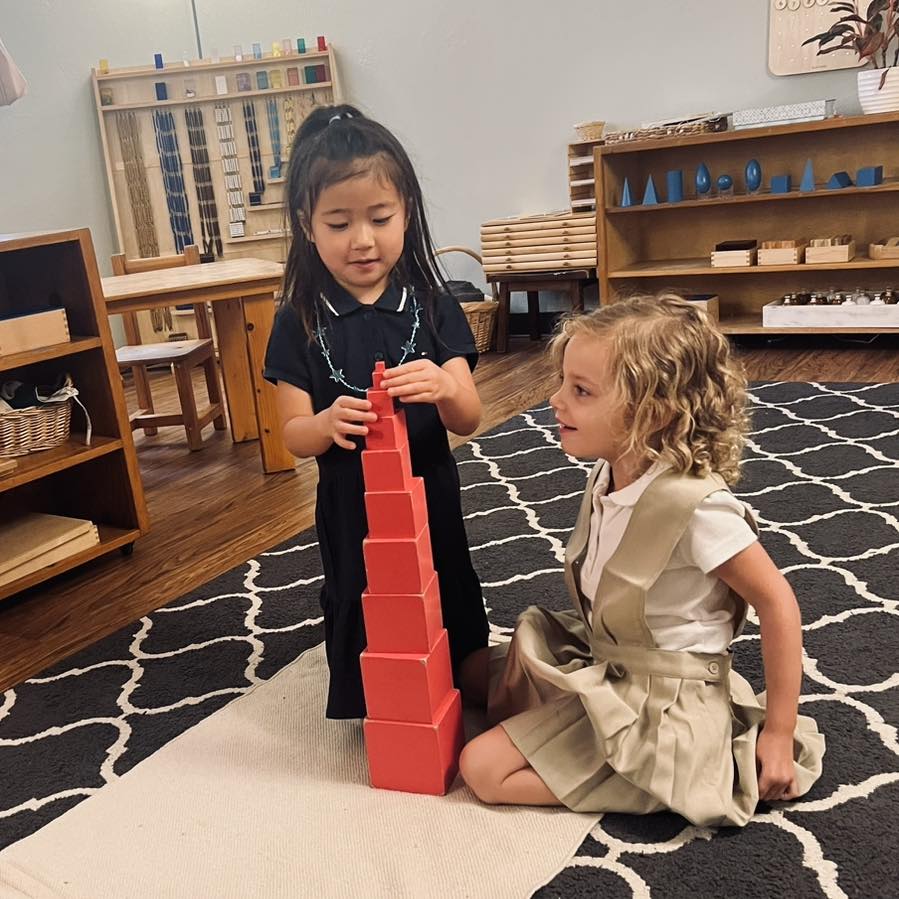
Mixed-Age Classrooms:Children of different ages learn together, creating a social environment where they can learn from and teach each other.
-
Consistency and Stability:Children remain in the same learning environment with the same teachers for three years, building strong relationships and a sense of belonging.
-
Developmental Stages:Each year within the cycle represents a different stage of development, with distinct roles and responsibilities for the child.
Benefits for Children
-
Leadership and Mentorship:Older students mentor and teach younger ones, consolidating their own understanding and developing confidence.
-
Social and Emotional Growth:Children learn to work cooperatively, develop social skills, and build a sense of community within their class family.
-
Academic Mastery:The longer timeframe allows children to master concepts through concrete materials and move toward more abstract understanding as they progress through the cycle.
-
Independence and Confidence:Children have the time and support to explore their environment, take responsibility for their work, and develop independence at their own pace.

The Montessori Classroom
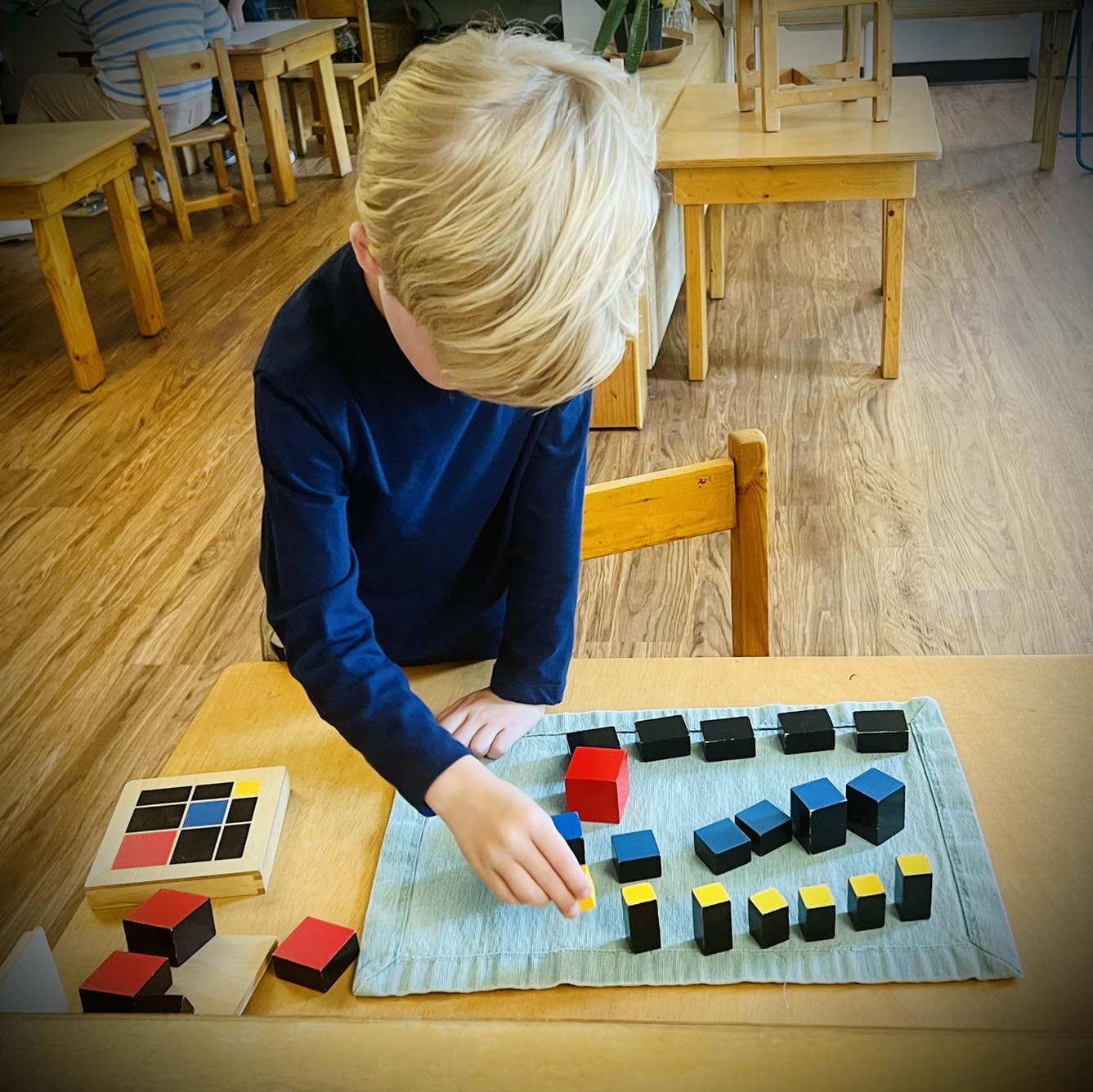
A Montessori classroom is a carefully prepared environment designed to foster independence, curiosity, and hands-on learning. Children work at their own pace with specially designed materials that encourage exploration, problem-solving, and self-correction. Teachers, called guides, observe and support rather than direct, allowing students to follow their natural interests. Unlike traditional classrooms, which often rely on whole-class instruction, standardized pacing, and teacher-led lessons, Montessori classrooms emphasize mixed-age groups, individualized learning, and freedom of choice within structure. This approach nurtures intrinsic motivation, responsibility, and a lifelong love of learning.